

H-1B visa new rules: The Trump administration has ordered a major escalation in vetting for H-1B visa applicants, directing consular officers to scrutinise whether highly skilled foreign workers have ever been involved in what Washington calls “censorship” of protected speech. According to an internal State Department cable, anyone deemed responsible for suppressing free expression in the US could be found ineligible for a visa.
H-1B visas, which underpin the hiring of specialised foreign talent by US tech companies, are especially critical for workers from India and China. Many of those companies endorsed Donald Trump in the last presidential election, even as the administration pushed for tighter immigration controls.
The cable, circulated to all US missions on December 2, instructs officers to review applicants’ résumés, LinkedIn profiles and other online activity. In parallel, the State Department issued a public notice directing all H-1B applicants — and their dependents — to switch their social media profiles from private to public to enable this enhanced review.
Beginning December 15, the online presence check will be mandatory not just for H-1B and H-4 dependents but also for F, M and J visa categories.
What are new requirements for H-1B visa?
• Mandatory review of online presence: Consular officers must examine public social media profiles, LinkedIn activity and résumés of all H-1B applicants and their dependents.
• Profiles must be public: Applicants across H-1B, H-4, F, M and J categories are instructed to change privacy settings to ensure full visibility.
• Expanded background screening: Officers must probe employment history for roles in misinformation, disinformation, content moderation, fact-checking, compliance, online safety or related domains.
• Censorship-linked ineligibility: Any evidence of involvement in “censorship” of protected expression in the US can trigger a visa denial under the Immigration and Nationality Act.
• Applies to new and repeat cases: Previously approved applicants returning for renewal will also undergo the expanded checks.
• Heightened scrutiny for tech-sector roles: Special attention is required for applicants previously employed in social media, tech or financial services sectors flagged for alleged speech suppression.
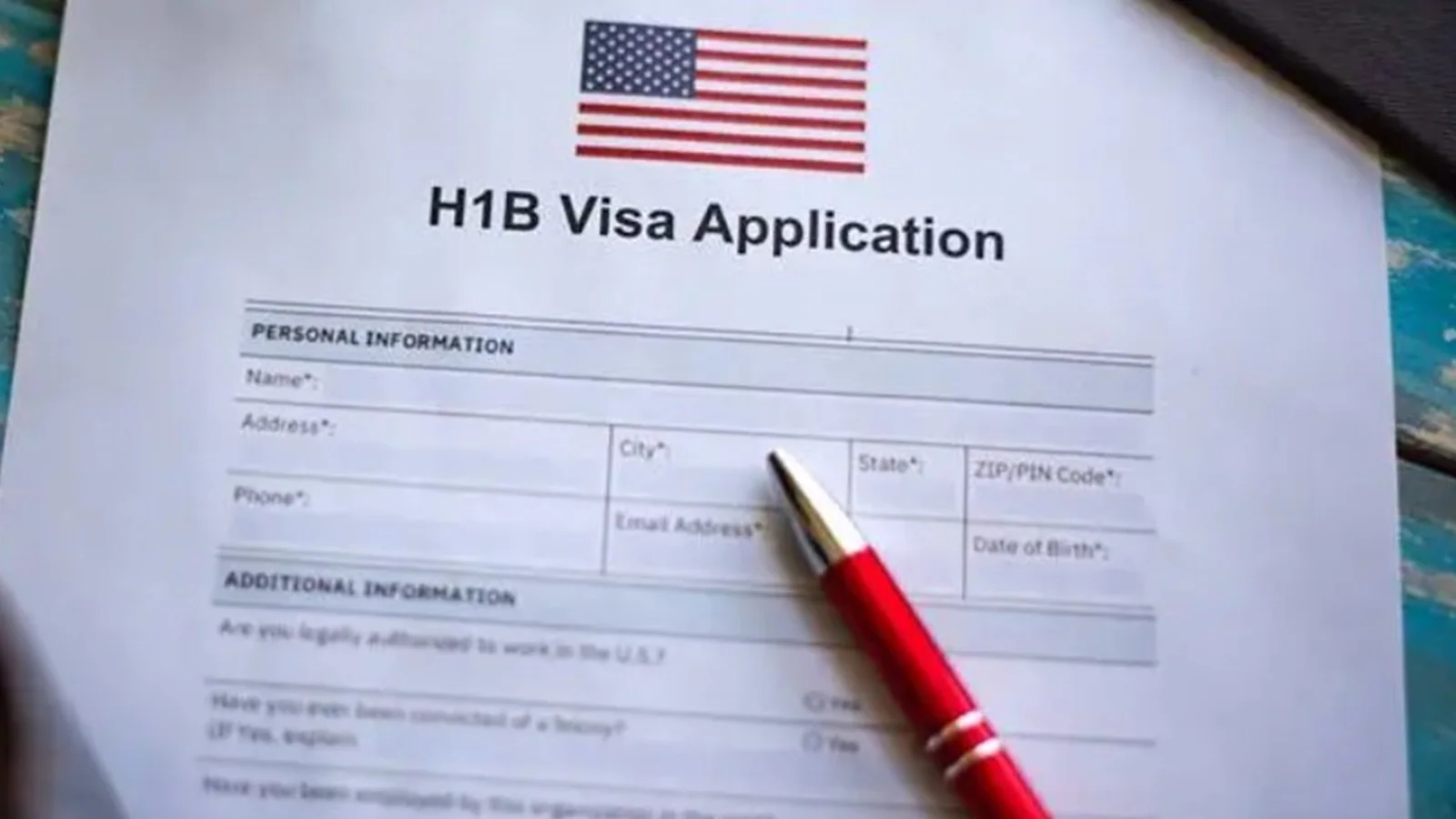
The cable clarified that all visa applicants are subject to vetting under this policy, but it sought an increased scrutiny for the H-1B visa applicants as they more frequently worked in the US technology sector. (Photo: Trave.State.Gov)
Officials have been told to apply particularly rigorous scrutiny to H-1B applicants working in the technology, social media and financial services sectors, which the cable links to alleged suppression of speech. The policy applies to both first-time and repeat applicants.
Trump has made “free speech protection” a foreign policy priority, often accusing European and US tech platforms of silencing conservative viewpoints. This latest directive extends that agenda directly into the visa adjudication process.
Story continues below this ad
For Indian tech workers, the consequences are immediate. The United States relies heavily on Indian talent for high-skilled roles, and the expanded vetting regime introduces new risks of delays, extensive questioning and even rejections.
Crucially, spouses and children will also now be subject to the same intensive checks. The shift comes amid declining H-1B approvals for Indian companies: according to the National Foundation for American Policy, the top seven Indian IT firms received only 4,573 initial H-1B approvals in FY25 — a 70 per cent fall from a decade earlier — while US tech giants such as Amazon, Meta, Microsoft and Google dominate sponsorship.